LIGHTWORK LIVE | august 29th, 2026 · 1-4p EST | in person & Virtual
New Hands On, Studio Lighting Class Reveals How To…
finally Have The Confidence To execute the clean studio lighting look clients HAPPILY pay $200+ For
Even if you're a beginner who's never touched a strobe, doesn't know what a modifier does, or freezes every time a client sends an inspo photo.
Even if you're a beginner who's never touched a strobe, doesn't know what a modifier does, or freezes every time a client sends an inspo photo.


Fast Action Bonus When You Sign Up Before The Clock Hits 0
receive a FREE digital copy
Sign up for the "Name Of Challenge" before the clock hits 0 and receive a FREE digital copy of "Name of Ebook" — "Your Name" powerful "Ebook, PDF, Guide, Training" that reveals "Benefit of getting the digital downtown"
New Hands-On, Studio Lighting Class Reveals How To…
finally Have The Confidence To execute the clean studio lighting look clients HAPPILY pay $200+ For
Even if you're a beginner who's never touched a strobe, doesn't know what a modifier does, or freezes every time a client sends an inspo photo.
Even if you're a beginner who's never touched a strobe, doesn't know what a modifier does, or freezes every time a client sends an inspo photo.
Fast Action Bonus When You Sign Up Before The Clock Hits 0
receive a FREE digital copy
Sign up for the "Name Of Challenge" before the clock hits 0 and receive a FREE digital copy of "Name of Ebook" — "Your Name" powerful "Ebook, PDF, Guide, Training" that reveals "Benefit of getting the digital downtown"
New Workshop Reveals How To…
Turn Your Braiding
Knowledge Into A Paid Mentorship
You’ll walk away with a mentorship you can start selling
so you can finally make money without braiding hair.
By the end, you’ll know what to call it, how long it lasts, what to charge, and what to teach, so you can finally get paid for the game you’ve been giving away for free.
WATCH THE VIDEO BELOW TO SEE HOW THIS IS POSSIBLE
Workshop Starts In
Only $1 To Save Your Spot And you only pay AFTER if you think it was worth it.
Fast Action Bonus When You Sign Up Before The Clock Hits 0
receive a FREE digital copy
Sign up for the "Name Of Challenge" before the clock hits 0 and receive a FREE digital copy of "Name of Ebook" — "Your Name" powerful "Ebook, PDF, Guide, Training" that reveals "Benefit of getting the digital downtown"
Our Special Guest Photographer Is One You'd Want To Be Around!

Chad Lawson
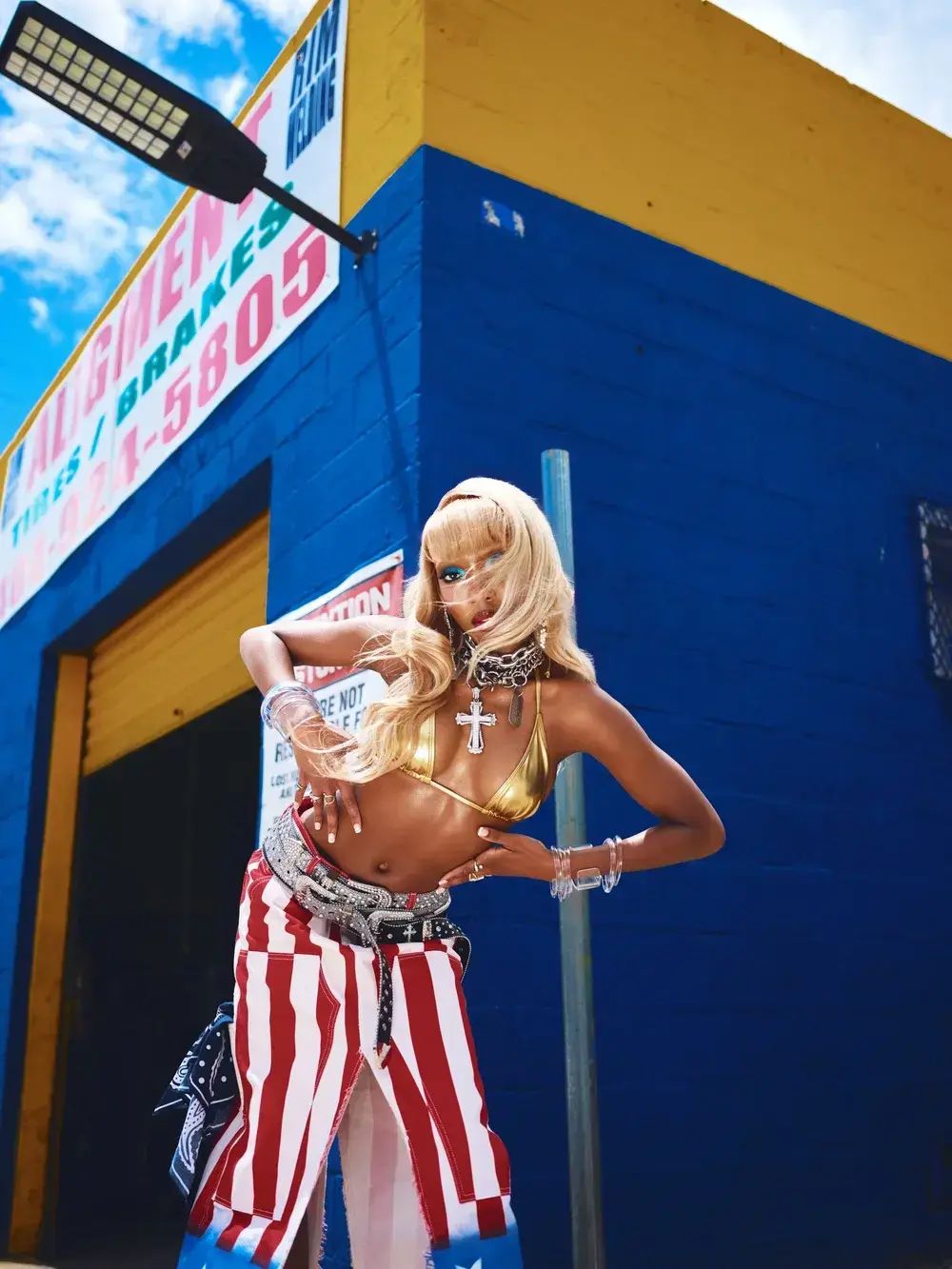
Chad Lawson has spent 13 years behind the camera building a creative style that photographers study around the world.
When you think of creativity Chad pops up, Colors? Chad to! He is a workhorse when it comes to bringing clients visions to life.
He has worked with names across the country, and his work has been published in Hype Hair and Essence.
Peek At Just A Little Bit Of His Portfolio



Here's What Photographers Are
Saying About LightWork Live
"Before coming in the studio I was not confident, Now because of you I feel so confident which means now I can attract clients who are willing to pay more...."
- Jason J.
"I would walk into the studio and not know how to use all these big lights and set ups.. Now i'm confident to go in studio and do it"
- Mykah D.
"After this class, I feel confident that im going to book more clients!"
- Carmen D.
You Know Clients Want That CLEAN Studio Look. But Walking In There And Actually Lighting It? That's Where You Freeze.
- A client sends you an inspo photo. It looks incredible. And instead of "I got you," something in you hesitates so you wing it, or you pass on the booking.
- You see something fire on Pinterest or another photographer's page "man, that'd look good in my portfolio" but you have no idea how to light it.
- Your white background comes out gray, or the whole thing goes black, and you don't know why.
- Your shots come out grainy or too dark and you can't tell which setting did it.
- You spend 45 minutes fumbling in the studio when the shoot should already be moving.
- You're stuck shooting only the looks you already know so the work (and the money) stays capped.
Which Is Exactly Why I Created A One-Day Class Just For You.
Introducing...
LightWork Live
This is where you stop freezing up in the studio and finally
start lighting with confidence, minus the overwhelm.
During this one day, virtual class, I'm going to show you:
- The essential gear you actually need to start in the studio — not all the extra stuff they try to sell you ($0 / $100 / $1,000 — what to get, what to skip)
- The exact camera settings for studio shoots — dialed for your camera, whether it's a $100 body or 10 years old, so shots stop coming out grainy or too dark (and white balance finally makes sense)
- How to look at any photo — one you found or one a client sent — and know how to light it yourself

Introducing...
LightWork Live
This is where you stop freezing up in the studio and finally
start lighting with confidence, minus the overwhelm.
During this one day, hands-on, I'm going to show you:
- The essential gear you actually need to start in the studio — not all the extra stuff they try to sell you ($0 / $100 / $1,000 — what to get, what to skip)
- The exact camera settings for studio shoots — dialed for your camera, whether it's a $100 body or 10 years old, so shots stop coming out grainy or too dark (and white balance finally makes sense)
- How to look at any photo — one you found or one a client sent — and know how to light it yourself
- A simple, repeatable setup you can build in minutes — instead of fumbling for 45
- How to get a clean background — white, colored, black, or gray — that crisp studio look
- Lighting terms dumbed all the way down — and which ones to ignore completely for now

Here's Everything You Sign Up For LIGHTWORK LIVE:

Access To The Event ($3,000 Value)
1 Ticket To LightWork LIVE
Ever sit in a photography video and hear someone say "feather the key light off the gobo" and just stare at the screen? Yeah. Same.
This is your plain English cheat sheet for every confusing lighting term photographers throw around: softbox, Rembrandt lighting, sync speed, inverse square law, all broken down so simple a 10 year old could get it. No more nodding along pretending you understand. You'll actually know.

FREE BONUS #1 ($297 Value)
Walk Out With Real Portfolio Images
This ain't a look and learn class. You're not sitting there taking notes while I shoot and somebody else gets the glory.
We got the models handled. We built a whole creator set just for this. So the second you learn the GPS Method, you turn around and shoot it yourself, for real, with a real model, on a real set.
You don't walk out with just a memory of what you watched. You walk out with images you can post today. Actual portfolio work. Real proof you can do this, not just a feeling that you maybe can.

FREE BONUS #2 ($27 Value)
Big Lighting Words, Dumbed Down
Ever sit in a photography video and hear someone say "feather the key light off the gobo" and just stare at the screen? Yeah. Same.
This is your plain English cheat sheet for every confusing lighting term photographers throw around: softbox, Rembrandt lighting, sync speed, inverse square law, all broken down so simple a 10 year old could get it. No more nodding along pretending you understand. You'll actually know.

FREE BONUS #3 ($27 Value)
The Budget Gear Guide
Everything we shoot with that day, you can get for cheap. The strobe alone is $109.
So instead of you leaving and guessing what to buy or overspending on stuff you don't even need yet, I'm handing you the exact list.
Every light, every modifier, every stand, every trigger we used in that room, with where to get it and what it actually costs.
You don't need a $3,000 setup to get this look. You need the right $109 light and to know what you're doing with it. That's it.
Here's Everything You Sign Up For LIGHTWORK LIVE:
Access To The Event ($3,000 Value)
1 Ticket To LightWork LIVE
Ever sit in a photography video and hear someone say "feather the key light off the gobo" and just stare at the screen? Yeah. Same.
This is your plain English cheat sheet for every confusing lighting term photographers throw around: softbox, Rembrandt lighting, sync speed, inverse square law, all broken down so simple a 10 year old could get it. No more nodding along pretending you understand. You'll actually know.
FREE BONUS #1 ($297 Value)
Walk Out With Real Portfolio Images
This ain't a look and learn class. You're not sitting there taking notes while I shoot and somebody else gets the glory.
We got the models handled. We built a whole creator set just for this. So the second you learn the GPS Method, you turn around and shoot it yourself, for real, with a real model, on a real set.
You don't walk out with just a memory of what you watched. You walk out with images you can post today. Actual portfolio work. Real proof you can do this, not just a feeling that you maybe can.
FREE BONUS #2 ($27 Value)
Big Lighting Words, Dumbed Down
Ever sit in a photography video and hear someone say "feather the key light off the gobo" and just stare at the screen? Yeah. Same.
This is your plain English cheat sheet for every confusing lighting term photographers throw around: softbox, Rembrandt lighting, sync speed, inverse square law, all broken down so simple a 10 year old could get it. No more nodding along pretending you understand. You'll actually know.
FREE BONUS #3 ($27 Value)
The Budget Gear Guide
Everything we shoot with that day, you can get for cheap. The strobe alone is $109.
So instead of you leaving and guessing what to buy or overspending on stuff you don't even need yet, I'm handing you the exact list.
Every light, every modifier, every stand, every trigger we used in that room, with where to get it and what it actually costs.
You don't need a $3,000 setup to get this look. You need the right $109 light and to know what you're doing with it. That's it.
YOUR HOST
During LightWork LIVE!
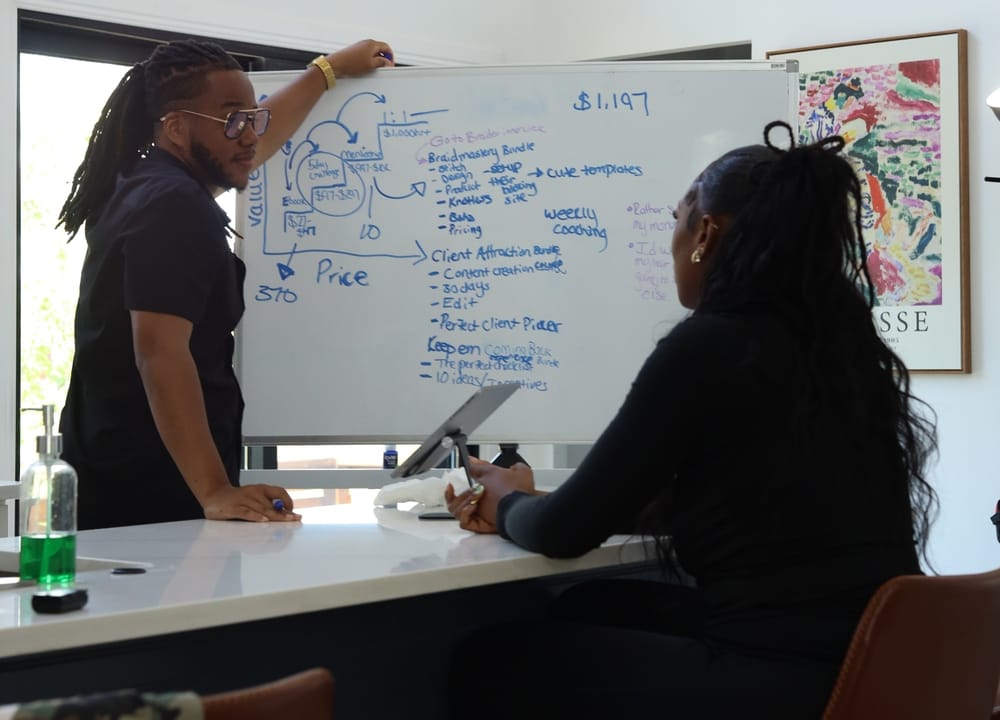
Jaylin Dorsey-Mitchell
Detroit Beauty Photographer
& Lighting Educator
I help portrait photographers who want to do more studio shoots understand lighting in a way that takes them from an inspo pic they found (or a client sent) → to the confidence → to actually executing it in the studio.

In-Person Experience
Attend LightWork LIVE at our studio in Detroit
(Exact location given to those who sign up)
- 1 Ticket To LightWork LIVE ($3,000 Value)
- Big Lighting Words, Dumbed Down ($27 Value)
- The Budget Gear Guide ($27 Value)
- Walk out with real portfolio images ($297 Value)
- Ask your questions live in person ($1,000 Value)
Total value: $4,351
Today Just: $497
Virtual Experience
Can't make it to Detroit? We've added a virtual
experience so you can learn as well.
- 1 Ticket To LightWork LIVE ($3,000 Value)
- Big Lighting Words, Dumbed Down ($27 Value)
- The Budget Gear Guide ($27 Value)
Walk out with real portfolio images ($297 Value)Ask your questions live in person ($1,000 Value)
Total value: $3,054
Today Just: $97
Who You Are Before vs.
After LightWork Live
Before LightWork LIVE:

- Freeze up the second it's time to light
- Pass on studio bookings you can't pull off
- Spend 45 minutes fumbling with gear
- Gray backgrounds, black backgrounds, grainy shots
- Only book the looks you already know
- Drowning in lighting jargon
After LightWork LIVE:

- Walk in with a plan and start shooting
- Say "I got you" to any inspo request
- Build a clean setup in minutes
- Clean studio look, dialed exposure
- Confident to try any photo you see
- Know what matters and what to ignore
Most photographers charge you for things you don’t even need…
Build Your Own Photoshoot—Just Like You’d Build Your Bear
Add more time, more edits, more outfits, or just keep it simple. You’re in control—from start to shoot.

Most photographers charge you for things you don’t even need…
Build Your Own Photoshoot
Just Like You’d Build Your Bear
Add more time, more edits, more outfits, or just keep it simple. You’re in control—from start to shoot.

Shela Vann
Mom Of 4
I booked a $100 shoot and ended up with a $500 package—and still felt like I saved money.”

Love Anderson
Six Figure Entreprenuer
“No weird pricing. No pressure. I built what I wanted and got exactly what I paid for.”

Ashanti Piston
Family Woman
“I’ve worked with 4 other studios. Nobody does it like this. It felt luxury AND affordable.”
Here's How It Works —
Hands-On, In Studio
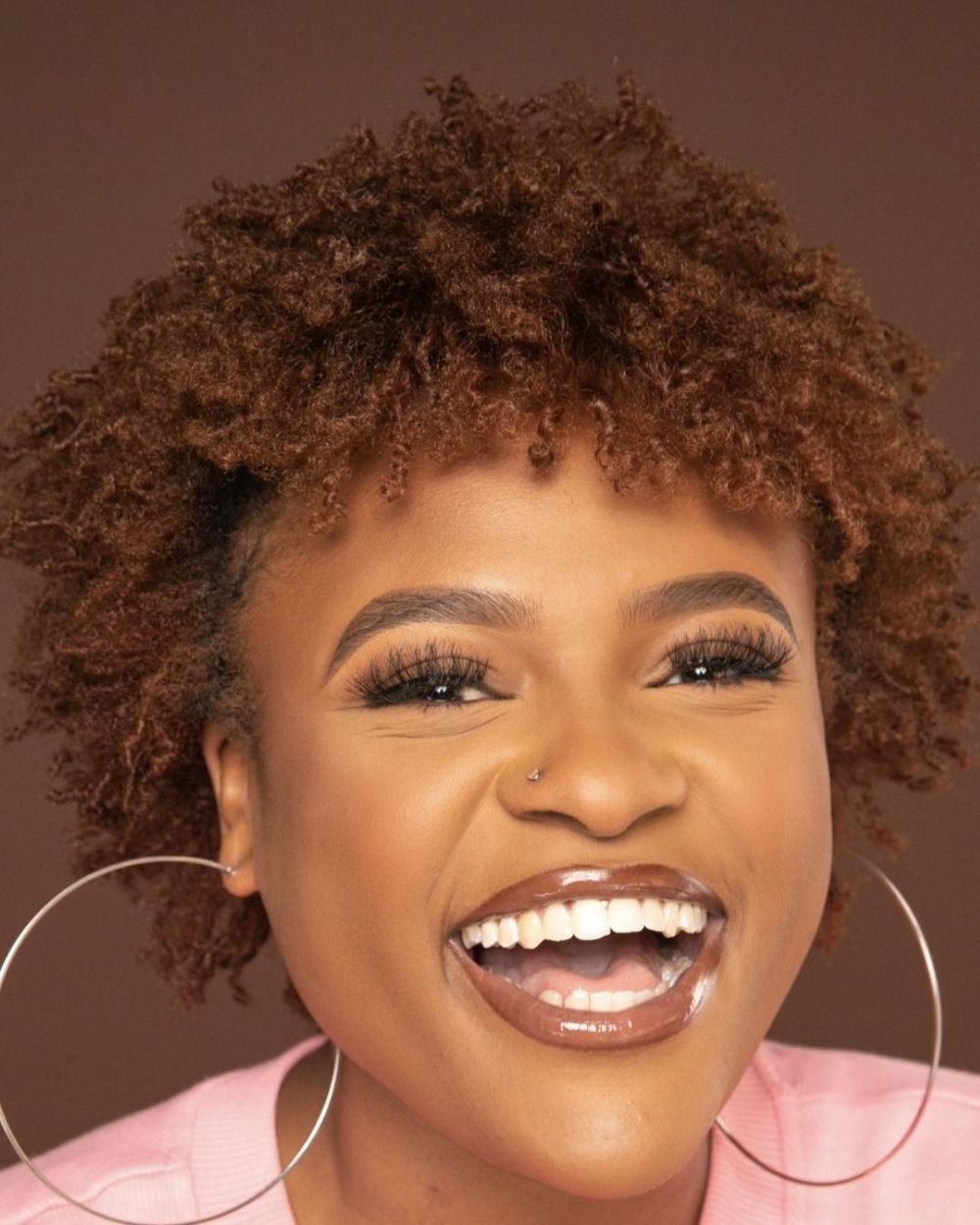
1. Save Your
Seat For $497
Lock your spot (only 10, beta price). Serious photographers only.
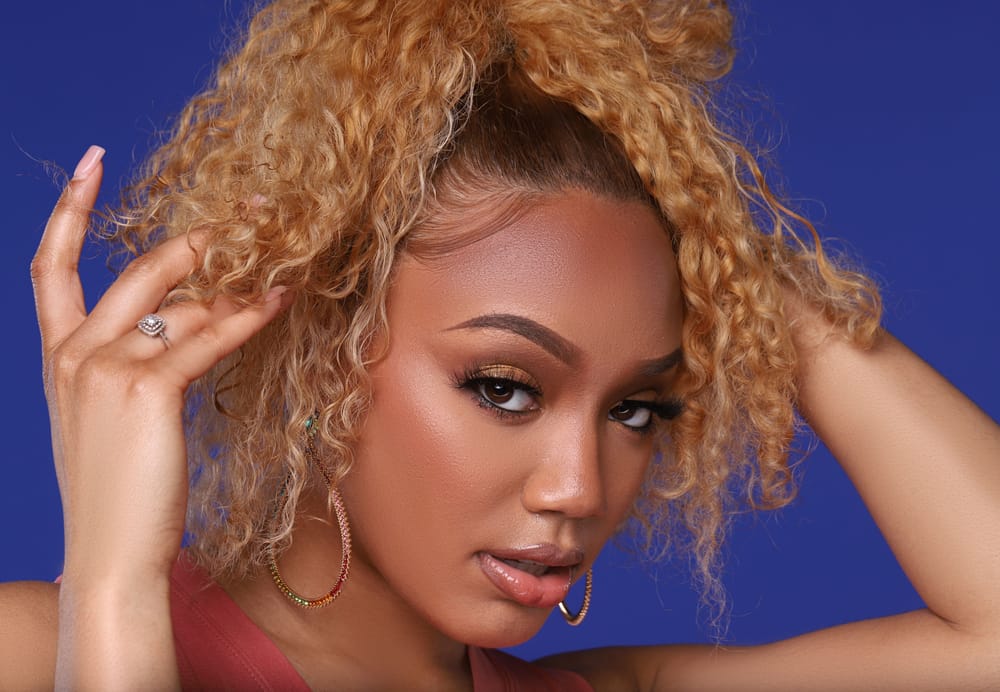
2. Show Up Live
In Studio
All you need is your camera and a mindset ready to learn. We light real setups together.
3. Leave With Confidence To Light Any Photo
It's hands-on — you'll shoot portfolio images as you learn. You walk out able to build a lighting setup from scratch, with the confidence to light any photo you see.
Here's How It Works —
Hands-On, In Studio
1. Save Your
Seat For $497
Lock your spot (only 12, in person slots available). Serious photographers only.
2. Show Up
Live In Studio
All you need is your camera and a mindset ready to learn. We light real setups together.
3. Leave With Confidence To Light Any Photo
It's hands-on — you'll shoot portfolio images as you learn. You walk out able to build a lighting setup from scratch, with the confidence to light any photo you see.
I Help Photographers Turn The Fear
Of Shooting In-Studio Into "I Got You"
Confident enough to walk into any studio and execute and confident enough to try any inspo photo they get or see.
Here's what students have pulled off:

LooksByKatt brought in over $10,000 just teaching what she already knew

Ney launched her first digital product mentorship and made $300

Alicia (The Braid Palace) made $2,000 from her first mentorship. Paid in full.

Beauty Basic T enrolled her first
$1,000 mentee and didn’t look back

Sena made $517 and got her
first mentee within 2 days
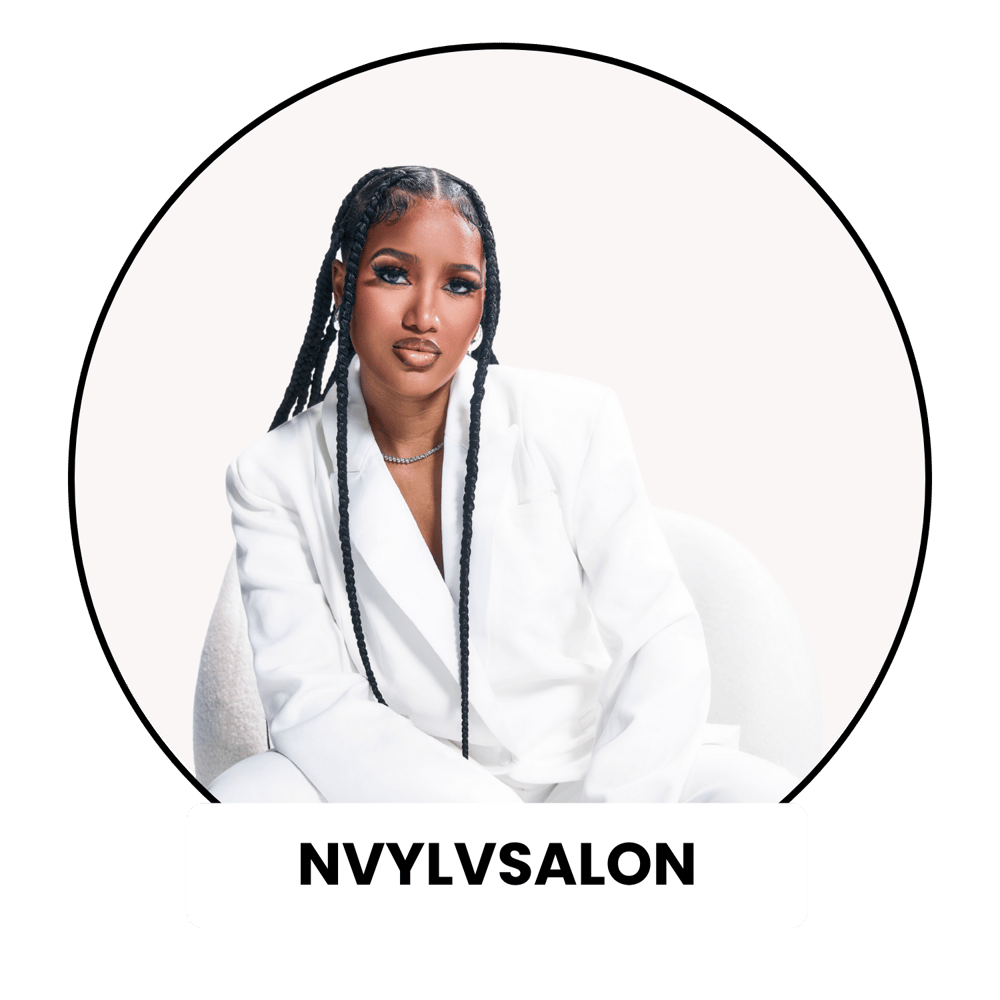
Nayla went from struggling to sell a course to enrolling over 10 mentorship students
Frequently Asked Questions
Do I Need To Already Know My Camera?
Nope. This is built for beginners and part-timers getting into studio work. Every setting and term gets broken down in plain English.
Do I Need To Already Know What Lights To Buy?
No — I'll teach you the difference and tell you exactly what you need (and what to skip) at every budget, from $0 to $1,000.
Will This Be Hands-On? Will I Get To Take Photos?
Yes. You'll shoot as you learn and walk away with portfolio shots from the day.
How Is This Different From Free YouTube / IG?
Free content gives you random tips that skip the settings and leave you guessing. LightWork Live gives you a simple, repeatable system, your exact settings, and hands-on reps in a real studio — so you can recreate any look, not just watch someone else do it.